
Leo Donkersley · August 31, 2026
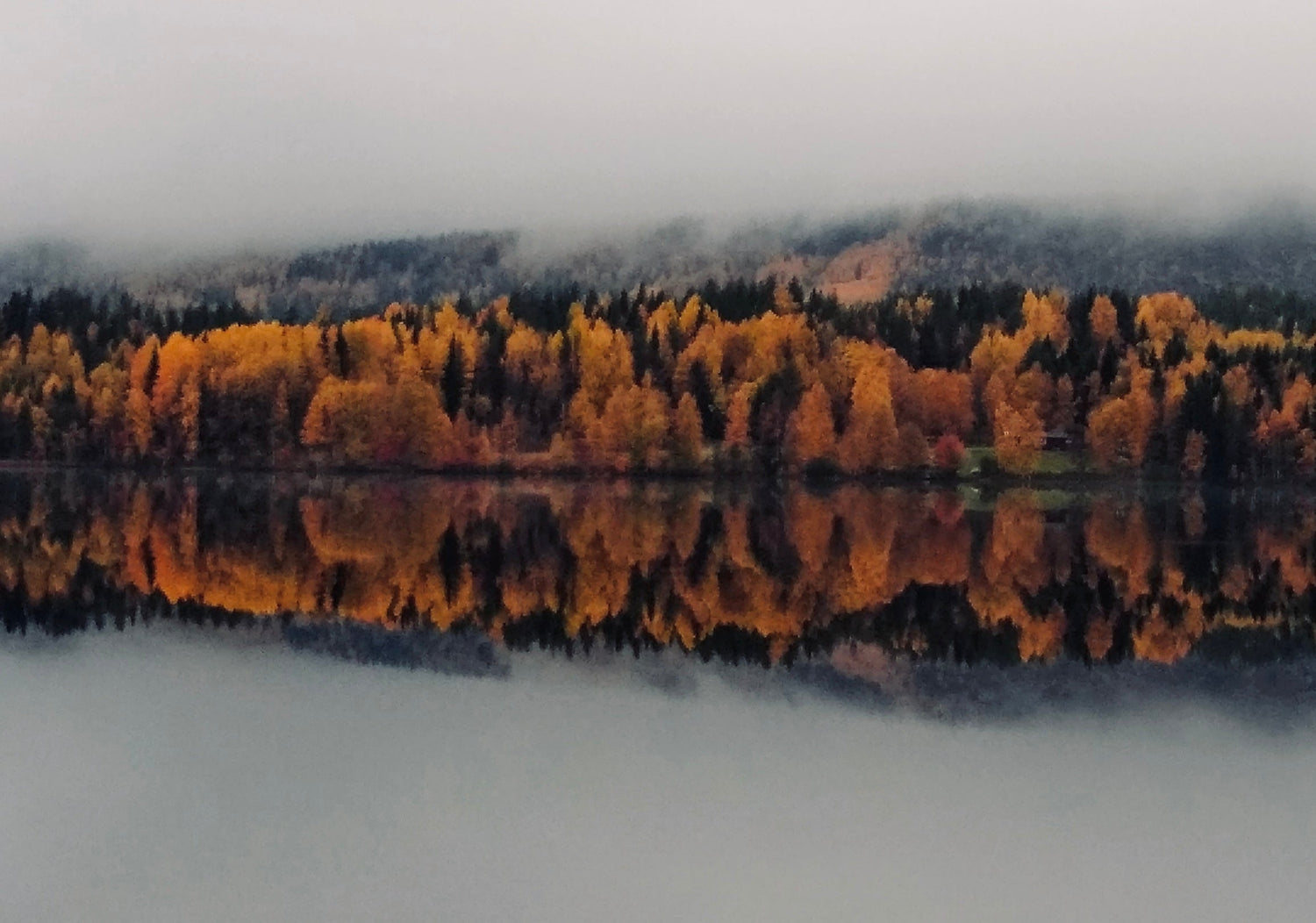
September marks the start of autumn here in Swedish Lapland, and there is always something special about that transition in the wilderness.
After the 24/7 daylight of summer, you notice the days getting shorter, the evenings getting cooler, and the slow change of colours in the forest.

For me, it is the absolute best season to be outside. The air is crisp, the campfire feels more inviting, we see stars again after the months of midnight sun, and there are noticeably fewer mosquitoes to ruin the evening!
But autumn also asks a little more from us and our equipment.
Before heading out for your next hike, bushcraft trip, hunting weekend or campout, take some time to prepare. A few simple checks now can make your time outdoors more comfortable.
Here are seven things worth doing before autumn arrives in full.
1. Check your knife
Your knife is one of the most useful tools you can carry into the wilderness, so autumn is a good time to give it some TLC.
The obvious place to start is the edge. Does it still cut cleanly? Can it comfortably carve a feather stick and handle basic notches in a piece of wood?
If the edge feels dull, give it a strop and get that bite back. If it needs a bit more work, spend some time with your sharpener. You will be glad of it in the long run.

Have a look over the sheath and the knife handle. If it’s a wooden handle, give it some attention with boiled linseed oil or Danish oil. Give the sheath a clean and, if needed, a little leather wax.
A little maintenance at this stage can make a big difference when you are back in the forest.
2. Show your leather gear some love
Leather is a natural material that develops character with use. But it also benefits from regular maintenance, particularly when it has been exposed to rain, sweat and changing temperatures.
Check your knife sheath, belt, pouch and other leather equipment for dryness or excessive moisture. Clean away dirt and allow wet leather to dry naturally before treating it.
A suitable leather wax can help protect the material and keep it supple.
The goal is not to make leather look new. Good leather should show that it has been used. The goal is simply to help it continue doing its job for many years.
 3. Review your fire-starting kit
Autumn in Lapland means colder mornings and evenings, and greater reliance on a reliable fire.
Before heading out, check that your ferro rod, matches, lighter and other fire-starting equipment are functional.
I like to take dry tinder with me, in the form of birch bark, fatwood, or balls of cotton wool smeared with Vaseline. The Vaseline isn’t flammable, but it slows down the burning nicely. Amadou and char cloth are useful too — they take a spark well.
It is also worth practising your fire-lighting skills before you need them.
Try making feather sticks from dry wood. Practise producing fine shavings and lighting them with your chosen fire starter. These are simple skills, but repetition builds confidence.
If you are using an axe or knife to split wood, make sure you are using them safely. If you are in any doubt, read up on the necessary skills or watch some instructional videos to pick up tips.
And remember: always follow local fire regulations and only light fires where and when they are permitted.
 4. Check clothing and shelter
Summer can hide weaknesses in your outdoor clothing and shelter. Autumn tends to expose them.
Check your rain jacket!
I recently went out in an old favourite — a rain jacket I have had for a good while. In the downpour I got caught in, I realised that the waterproofing had finally failed. I’ve treated it with Nikwax a few times, but this is no longer a solution — I need a new jacket.
Inspect your boots, especially around seams and soles. Make sure your sleeping bag, tarp or tent is clean, dry and in good condition.
Pay particular attention to the things you normally take for granted.
A missing guy line, damaged buckle or small tear is easy to fix at home. It is much less convenient to discover the problem when you are several kilometres from the nearest road.
5. Prepare for colder and wetter conditions
One of the simplest rules of Scandinavian outdoor life is to prepare for the weather you might get — not just the weather you hope for. We often say in Sweden:
“Det finns inget dåligt väder, bara dåliga kläder.” - There is no bad weather, only bad clothing.
Pack an extra warm layer. Bring rain protection. Consider carrying spare socks in a waterproof bag.

As temperatures drop, small details become more important. Wet gloves are uncomfortable in summer; in colder conditions, they can become a genuine problem.
Layering is usually more practical than relying on one heavy garment. It allows you to adjust your clothing as you move, stop, work around camp or sit beside the fire.
Personally, I much prefer a thinner jacket over some warm wool layers. It gives me more flexibility, and I find it easier to regulate my temperature when I’m moving between activity and rest.
6. Refresh your skills
Equipment is important, but skills are what make equipment useful.
Autumn is an excellent time to revisit the basics:
-
Safe knife and axe handling
-
Wood carving
-
Making feather sticks
-
Fire lighting
-
Navigation
-
Camp cooking
-
Basic first aid

You don't need to turn every weekend into a survival exercise.
Instead, choose one skill and practise it during your next outing.
Carve a simple tent peg or pot hanger. Prepare your own firewood. Navigate without immediately checking your phone. Make coffee over the fire.
Small challenges make ordinary trips more rewarding — and gradually build confidence.
7. Keep your gear simple
Finally, take a look at everything you normally carry.
Do you actually use all of it?
Autumn is a good opportunity to remove unnecessary items and make your kit more intentional. A good outdoor setup doesn't have to be complicated. A dependable knife, suitable clothing, shelter, fire-starting equipment, food, water and navigation tools can take you a long way.
The idea isn't to own more gear.
It is to know the gear you have, maintain it properly and understand how to use it.
 The best preparation is done before you need it
A well-maintained knife, dry clothing and a reliable fire starter won't make every trip go according to plan. Weather can change, paths can disappear and plans can evolve.
But preparation gives you options.
And perhaps that is one of the most rewarding parts of outdoor life: knowing that you can step away from everyday routines, carry a few dependable tools, and make something useful with what the forest provides.
As summer gives way to autumn, take an afternoon to check your equipment, sharpen your knife, treat your leather and practise a few basic skills.
Then head outside.
Enjoy the year’s best season!